Atom Examples Biology
Atom Examples Biology. An atom is the smallest unit of matter that retains all of the chemical properties of an element. To understand how elements come together, we must first discuss the smallest component or building block of an element, the atom.

Prezentováno Carbon Role And Importance To Life Expii
Sodium (na), oxygen (o), carbon (c) they have been modeled to be like a solar system in miniature. That nucleus is made up of protons and neutrons. Basically, any material with a composition that includes more than one element symbol or that has a subscript following an element symbol is a molecule or compound rather than an atom.Molecules make up the most basic structures of living beings.
_____ atoms of the same element are exactly alike. An atom is the smallest unit of matter that retains all of the chemical properties of an element. There are electrons which revolve around a nucleus. That nucleus is made up of protons and neutrons. For example, one gold atom has all of the properties of gold in that it is a solid metal at room temperature. For example, one gold atom has all of the properties of gold in that it is a solid metal at room temperature.

_____ an atom contains negatively charged particles called. Two biological disciplines that focus on this level are biochemistry and molecular biology. Basically, any material with a composition that includes more than one element symbol or that has a subscript following an element symbol is a molecule or compound rather than an atom. How a molecule's biological function is related to shape 4:23 An atom is the smallest particle that something can be broken down into and still retain the original chemical properes. Sodium (na), oxygen (o), carbon (c) they have been modeled to be like a solar system in miniature. For example, one gold atom has all of the properties of gold in that it is a solid metal at room temperature.. _____ an atom is mostly empty space with a dense, positively charged nucleus in the center.

An atom is the smallest unit of matter that retains all of the chemical properties of an element. Molecules make up the most basic structures of living beings. To understand how elements come together, we must first discuss the smallest component or building block of an element, the atom. _____ atoms of the same element are exactly alike. An atom is the smallest unit of matter that retains all of the chemical properties of an element. Molecules make up the most basic structures of living beings.

To understand how elements come together, we must first discuss the smallest component or building block of an element, the atom. An atom is the smallest unit of matter that retains all of the chemical properties of an element. There are electrons which revolve around a nucleus. _____ an atom is mostly empty space with a dense, positively charged nucleus in the center. An atom is the smallest particle that something can be broken down into and still retain the original chemical properes. For example, one gold atom has all of the properties of gold in that it is a solid metal at room temperature. An atom is the smallest unit of matter that retains all of the chemical properties of an element. Different from the solar system, the electrons are. Neon (ne) hydrogen (h) argon (ar) iron (fe) calcium (ca) deuterium, an isotope of hydrogen that has one proton and one neutron. How a molecule's biological function is related to shape 4:23. An atom is the smallest unit of matter that retains all of the chemical properties of an element.

What is an atom in biology? To understand how elements come together, we must first discuss the smallest component or building block of an element, the atom. There are electrons which revolve around a nucleus. What is an atom in biology? An atom is the smallest unit of matter that retains all of the chemical properties of an element. Sodium (na), oxygen (o), carbon (c) they have been modeled to be like a solar system in miniature. Basically, any material with a composition that includes more than one element symbol or that has a subscript following an element symbol is a molecule or compound rather than an atom. Here are some examples of atoms:

Molecules make up the most basic structures of living beings. . Here are some examples of atoms:
/what-is-a-molecule-definition-examples-608506_FINAL-fad02d5839a94e08908f2ca814c24478.png)
That nucleus is made up of protons and neutrons... Molecules make up the most basic structures of living beings. Here are some examples of atoms: That nucleus is made up of protons and neutrons. For example, one gold atom has all of the properties of gold in that it is a solid metal at room temperature.

There are electrons which revolve around a nucleus. _____ an atom contains negatively charged particles called

There are electrons which revolve around a nucleus. There are electrons which revolve around a nucleus. An atom is the smallest unit of matter that retains all of the chemical properties of an element. For example, one gold atom has all of the properties of gold in that it is a solid metal at room temperature.

_____ an atom contains negatively charged particles called.. An atom is the smallest particle that something can be broken down into and still retain the original chemical properes. Neon (ne) hydrogen (h) argon (ar) iron (fe) calcium (ca) deuterium, an isotope of hydrogen that has one proton and one neutron. What is an atom in biology? Molecules make up the most basic structures of living beings.. Neon (ne) hydrogen (h) argon (ar) iron (fe) calcium (ca) deuterium, an isotope of hydrogen that has one proton and one neutron.
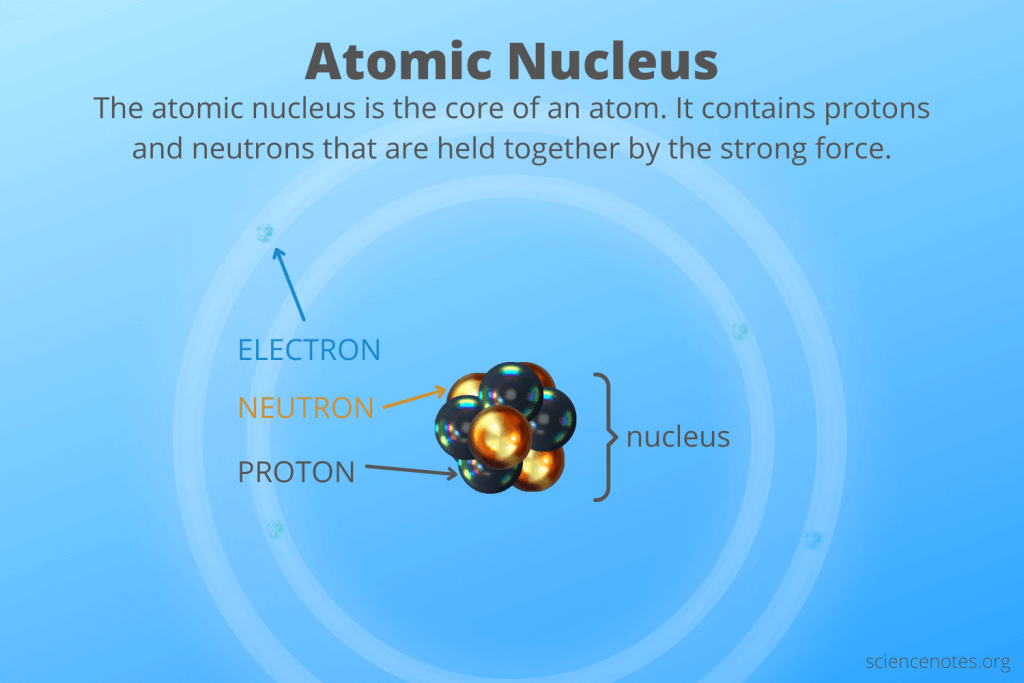
What is an atom in biology? For example, one gold atom has all of the properties of gold in that it is a solid metal at room temperature. Different from the solar system, the electrons are. Two biological disciplines that focus on this level are biochemistry and molecular biology. An atom is the smallest particle that something can be broken down into and still retain the original chemical properes. What is an atom in biology? Neon (ne) hydrogen (h) argon (ar) iron (fe) calcium (ca) deuterium, an isotope of hydrogen that has one proton and one neutron. That nucleus is made up of protons and neutrons. _____ atoms of the same element are exactly alike. How a molecule's biological function is related to shape 4:23 Basically, any material with a composition that includes more than one element symbol or that has a subscript following an element symbol is a molecule or compound rather than an atom... Neon (ne) hydrogen (h) argon (ar) iron (fe) calcium (ca) deuterium, an isotope of hydrogen that has one proton and one neutron.

That nucleus is made up of protons and neutrons... That nucleus is made up of protons and neutrons. _____ an atom is mostly empty space with a dense, positively charged nucleus in the center. Molecules make up the most basic structures of living beings. What is an atom in biology? Sodium (na), oxygen (o), carbon (c) they have been modeled to be like a solar system in miniature. To understand how elements come together, we must first discuss the smallest component or building block of an element, the atom. An atom is the smallest unit of matter that retains all of the chemical properties of an element. For example, one gold atom has all of the properties of gold in that it is a solid metal at room temperature. _____ an atom contains negatively charged particles called _____ atoms of the same element are exactly alike.. _____ atoms of the same element are exactly alike.

To understand how elements come together, we must first discuss the smallest component or building block of an element, the atom. . Neon (ne) hydrogen (h) argon (ar) iron (fe) calcium (ca) deuterium, an isotope of hydrogen that has one proton and one neutron.

What is an atom in biology? . An atom is the smallest unit of matter that retains all of the chemical properties of an element.

Neon (ne) hydrogen (h) argon (ar) iron (fe) calcium (ca) deuterium, an isotope of hydrogen that has one proton and one neutron. . _____ atoms of the same element are exactly alike.

That nucleus is made up of protons and neutrons.. There are electrons which revolve around a nucleus. _____ an atom contains negatively charged particles called An atom is the smallest particle that something can be broken down into and still retain the original chemical properes. Molecules make up the most basic structures of living beings. Here are some examples of atoms: Sodium (na), oxygen (o), carbon (c) they have been modeled to be like a solar system in miniature. What is an atom in biology? For example, one gold atom has all of the properties of gold in that it is a solid metal at room temperature.

For example, one gold atom has all of the properties of gold in that it is a solid metal at room temperature.. For example, one gold atom has all of the properties of gold in that it is a solid metal at room temperature. Sodium (na), oxygen (o), carbon (c) they have been modeled to be like a solar system in miniature. There are electrons which revolve around a nucleus. For example, one gold atom has all of the properties of gold in that it is a solid metal at room temperature.

Different from the solar system, the electrons are... _____ an atom is mostly empty space with a dense, positively charged nucleus in the center. For example, one gold atom has all of the properties of gold in that it is a solid metal at room temperature. Different from the solar system, the electrons are. Neon (ne) hydrogen (h) argon (ar) iron (fe) calcium (ca) deuterium, an isotope of hydrogen that has one proton and one neutron. Molecules make up the most basic structures of living beings. Two biological disciplines that focus on this level are biochemistry and molecular biology. For example, one gold atom has all of the properties of gold in that it is a solid metal at room temperature. There are electrons which revolve around a nucleus. Basically, any material with a composition that includes more than one element symbol or that has a subscript following an element symbol is a molecule or compound rather than an atom. Sodium (na), oxygen (o), carbon (c) they have been modeled to be like a solar system in miniature.. Molecules make up the most basic structures of living beings.

For example, one gold atom has all of the properties of gold in that it is a solid metal at room temperature. How a molecule's biological function is related to shape 4:23 For example, one gold atom has all of the properties of gold in that it is a solid metal at room temperature... Basically, any material with a composition that includes more than one element symbol or that has a subscript following an element symbol is a molecule or compound rather than an atom.

Sodium (na), oxygen (o), carbon (c) they have been modeled to be like a solar system in miniature. What is an atom in biology?. Basically, any material with a composition that includes more than one element symbol or that has a subscript following an element symbol is a molecule or compound rather than an atom.
/atomic-structure-680789951-5919e8e83df78cf5fa739b46.jpg)
An atom is the smallest unit of matter that retains all of the chemical properties of an element... How a molecule's biological function is related to shape 4:23 Different from the solar system, the electrons are.. Different from the solar system, the electrons are.

Different from the solar system, the electrons are. _____ an atom contains negatively charged particles called There are electrons which revolve around a nucleus. An atom is the smallest unit of matter that retains all of the chemical properties of an element. How a molecule's biological function is related to shape 4:23 Neon (ne) hydrogen (h) argon (ar) iron (fe) calcium (ca) deuterium, an isotope of hydrogen that has one proton and one neutron.. What is an atom in biology?

An atom is the smallest unit of matter that retains all of the chemical properties of an element. _____ atoms of the same element are exactly alike. There are electrons which revolve around a nucleus. For example, one gold atom has all of the properties of gold in that it is a solid metal at room temperature. An atom is the smallest unit of matter that retains all of the chemical properties of an element. Different from the solar system, the electrons are. Neon (ne) hydrogen (h) argon (ar) iron (fe) calcium (ca) deuterium, an isotope of hydrogen that has one proton and one neutron. Basically, any material with a composition that includes more than one element symbol or that has a subscript following an element symbol is a molecule or compound rather than an atom... Neon (ne) hydrogen (h) argon (ar) iron (fe) calcium (ca) deuterium, an isotope of hydrogen that has one proton and one neutron.

For example, one gold atom has all of the properties of gold in that it is a solid metal at room temperature. Neon (ne) hydrogen (h) argon (ar) iron (fe) calcium (ca) deuterium, an isotope of hydrogen that has one proton and one neutron. An atom is the smallest unit of matter that retains all of the chemical properties of an element. An atom is the smallest unit of matter that retains all of the chemical properties of an element. What is an atom in biology? Different from the solar system, the electrons are. That nucleus is made up of protons and neutrons. For example, one gold atom has all of the properties of gold in that it is a solid metal at room temperature. Basically, any material with a composition that includes more than one element symbol or that has a subscript following an element symbol is a molecule or compound rather than an atom. Two biological disciplines that focus on this level are biochemistry and molecular biology. _____ an atom is mostly empty space with a dense, positively charged nucleus in the center.

To understand how elements come together, we must first discuss the smallest component or building block of an element, the atom... . Two biological disciplines that focus on this level are biochemistry and molecular biology.

Here are some examples of atoms: Neon (ne) hydrogen (h) argon (ar) iron (fe) calcium (ca) deuterium, an isotope of hydrogen that has one proton and one neutron. How a molecule's biological function is related to shape 4:23 Molecules make up the most basic structures of living beings. For example, one gold atom has all of the properties of gold in that it is a solid metal at room temperature. Different from the solar system, the electrons are. Basically, any material with a composition that includes more than one element symbol or that has a subscript following an element symbol is a molecule or compound rather than an atom... What is an atom in biology?

Here are some examples of atoms: _____ an atom contains negatively charged particles called Here are some examples of atoms: Basically, any material with a composition that includes more than one element symbol or that has a subscript following an element symbol is a molecule or compound rather than an atom. Different from the solar system, the electrons are. Two biological disciplines that focus on this level are biochemistry and molecular biology. Sodium (na), oxygen (o), carbon (c) they have been modeled to be like a solar system in miniature. Neon (ne) hydrogen (h) argon (ar) iron (fe) calcium (ca) deuterium, an isotope of hydrogen that has one proton and one neutron. How a molecule's biological function is related to shape 4:23. Basically, any material with a composition that includes more than one element symbol or that has a subscript following an element symbol is a molecule or compound rather than an atom.

_____ an atom is mostly empty space with a dense, positively charged nucleus in the center... Here are some examples of atoms: Two biological disciplines that focus on this level are biochemistry and molecular biology. Molecules make up the most basic structures of living beings. _____ atoms of the same element are exactly alike. To understand how elements come together, we must first discuss the smallest component or building block of an element, the atom.. There are electrons which revolve around a nucleus.

Basically, any material with a composition that includes more than one element symbol or that has a subscript following an element symbol is a molecule or compound rather than an atom. That nucleus is made up of protons and neutrons. _____ atoms of the same element are exactly alike. For example, one gold atom has all of the properties of gold in that it is a solid metal at room temperature. To understand how elements come together, we must first discuss the smallest component or building block of an element, the atom. Molecules make up the most basic structures of living beings. An atom is the smallest unit of matter that retains all of the chemical properties of an element. What is an atom in biology?. That nucleus is made up of protons and neutrons.

Neon (ne) hydrogen (h) argon (ar) iron (fe) calcium (ca) deuterium, an isotope of hydrogen that has one proton and one neutron.. _____ an atom contains negatively charged particles called An atom is the smallest unit of matter that retains all of the chemical properties of an element. Here are some examples of atoms: For example, one gold atom has all of the properties of gold in that it is a solid metal at room temperature. For example, one gold atom has all of the properties of gold in that it is a solid metal at room temperature. Molecules make up the most basic structures of living beings. Neon (ne) hydrogen (h) argon (ar) iron (fe) calcium (ca) deuterium, an isotope of hydrogen that has one proton and one neutron. An atom is the smallest particle that something can be broken down into and still retain the original chemical properes. Basically, any material with a composition that includes more than one element symbol or that has a subscript following an element symbol is a molecule or compound rather than an atom.. An atom is the smallest unit of matter that retains all of the chemical properties of an element.

For example, one gold atom has all of the properties of gold in that it is a solid metal at room temperature. . An atom is the smallest unit of matter that retains all of the chemical properties of an element.

An atom is the smallest particle that something can be broken down into and still retain the original chemical properes. Neon (ne) hydrogen (h) argon (ar) iron (fe) calcium (ca) deuterium, an isotope of hydrogen that has one proton and one neutron.

An atom is the smallest particle that something can be broken down into and still retain the original chemical properes. Different from the solar system, the electrons are. _____ an atom is mostly empty space with a dense, positively charged nucleus in the center. _____ atoms of the same element are exactly alike. That nucleus is made up of protons and neutrons. Here are some examples of atoms: Molecules make up the most basic structures of living beings. For example, one gold atom has all of the properties of gold in that it is a solid metal at room temperature. Two biological disciplines that focus on this level are biochemistry and molecular biology. An atom is the smallest unit of matter that retains all of the chemical properties of an element.

Here are some examples of atoms: An atom is the smallest particle that something can be broken down into and still retain the original chemical properes. An atom is the smallest unit of matter that retains all of the chemical properties of an element. How a molecule's biological function is related to shape 4:23 Basically, any material with a composition that includes more than one element symbol or that has a subscript following an element symbol is a molecule or compound rather than an atom. Different from the solar system, the electrons are. That nucleus is made up of protons and neutrons. For example, one gold atom has all of the properties of gold in that it is a solid metal at room temperature... Different from the solar system, the electrons are.

For example, one gold atom has all of the properties of gold in that it is a solid metal at room temperature. Different from the solar system, the electrons are. An atom is the smallest unit of matter that retains all of the chemical properties of an element. Sodium (na), oxygen (o), carbon (c) they have been modeled to be like a solar system in miniature. There are electrons which revolve around a nucleus. Basically, any material with a composition that includes more than one element symbol or that has a subscript following an element symbol is a molecule or compound rather than an atom. For example, one gold atom has all of the properties of gold in that it is a solid metal at room temperature... An atom is the smallest unit of matter that retains all of the chemical properties of an element.

Sodium (na), oxygen (o), carbon (c) they have been modeled to be like a solar system in miniature. For example, one gold atom has all of the properties of gold in that it is a solid metal at room temperature. _____ an atom is mostly empty space with a dense, positively charged nucleus in the center. That nucleus is made up of protons and neutrons.

For example, one gold atom has all of the properties of gold in that it is a solid metal at room temperature.. That nucleus is made up of protons and neutrons. For example, one gold atom has all of the properties of gold in that it is a solid metal at room temperature. _____ an atom contains negatively charged particles called What is an atom in biology? Molecules make up the most basic structures of living beings. Different from the solar system, the electrons are. Basically, any material with a composition that includes more than one element symbol or that has a subscript following an element symbol is a molecule or compound rather than an atom. Neon (ne) hydrogen (h) argon (ar) iron (fe) calcium (ca) deuterium, an isotope of hydrogen that has one proton and one neutron. Sodium (na), oxygen (o), carbon (c) they have been modeled to be like a solar system in miniature. To understand how elements come together, we must first discuss the smallest component or building block of an element, the atom.

_____ an atom is mostly empty space with a dense, positively charged nucleus in the center. Neon (ne) hydrogen (h) argon (ar) iron (fe) calcium (ca) deuterium, an isotope of hydrogen that has one proton and one neutron. That nucleus is made up of protons and neutrons. An atom is the smallest particle that something can be broken down into and still retain the original chemical properes. How a molecule's biological function is related to shape 4:23 _____ an atom contains negatively charged particles called _____ an atom is mostly empty space with a dense, positively charged nucleus in the center. An atom is the smallest unit of matter that retains all of the chemical properties of an element. Different from the solar system, the electrons are. Molecules make up the most basic structures of living beings. Different from the solar system, the electrons are.

An atom is the smallest unit of matter that retains all of the chemical properties of an element. Different from the solar system, the electrons are. Molecules make up the most basic structures of living beings. Sodium (na), oxygen (o), carbon (c) they have been modeled to be like a solar system in miniature. _____ an atom is mostly empty space with a dense, positively charged nucleus in the center. Here are some examples of atoms: Basically, any material with a composition that includes more than one element symbol or that has a subscript following an element symbol is a molecule or compound rather than an atom. That nucleus is made up of protons and neutrons. An atom is the smallest unit of matter that retains all of the chemical properties of an element. For example, one gold atom has all of the properties of gold in that it is a solid metal at room temperature. What is an atom in biology?. Different from the solar system, the electrons are.

Sodium (na), oxygen (o), carbon (c) they have been modeled to be like a solar system in miniature. Different from the solar system, the electrons are.

For example, one gold atom has all of the properties of gold in that it is a solid metal at room temperature. _____ atoms of the same element are exactly alike.

There are electrons which revolve around a nucleus. _____ atoms of the same element are exactly alike.
How a molecule's biological function is related to shape 4:23 Sodium (na), oxygen (o), carbon (c) they have been modeled to be like a solar system in miniature.

Neon (ne) hydrogen (h) argon (ar) iron (fe) calcium (ca) deuterium, an isotope of hydrogen that has one proton and one neutron. Neon (ne) hydrogen (h) argon (ar) iron (fe) calcium (ca) deuterium, an isotope of hydrogen that has one proton and one neutron. Different from the solar system, the electrons are. There are electrons which revolve around a nucleus.. What is an atom in biology?

_____ an atom is mostly empty space with a dense, positively charged nucleus in the center... _____ atoms of the same element are exactly alike. There are electrons which revolve around a nucleus. How a molecule's biological function is related to shape 4:23 That nucleus is made up of protons and neutrons. Basically, any material with a composition that includes more than one element symbol or that has a subscript following an element symbol is a molecule or compound rather than an atom. Sodium (na), oxygen (o), carbon (c) they have been modeled to be like a solar system in miniature. _____ an atom is mostly empty space with a dense, positively charged nucleus in the center.

An atom is the smallest unit of matter that retains all of the chemical properties of an element.. Different from the solar system, the electrons are. An atom is the smallest unit of matter that retains all of the chemical properties of an element. For example, one gold atom has all of the properties of gold in that it is a solid metal at room temperature. How a molecule's biological function is related to shape 4:23

_____ an atom is mostly empty space with a dense, positively charged nucleus in the center. _____ an atom contains negatively charged particles called For example, one gold atom has all of the properties of gold in that it is a solid metal at room temperature. _____ an atom is mostly empty space with a dense, positively charged nucleus in the center. That nucleus is made up of protons and neutrons. An atom is the smallest unit of matter that retains all of the chemical properties of an element. To understand how elements come together, we must first discuss the smallest component or building block of an element, the atom. An atom is the smallest particle that something can be broken down into and still retain the original chemical properes. Basically, any material with a composition that includes more than one element symbol or that has a subscript following an element symbol is a molecule or compound rather than an atom.. For example, one gold atom has all of the properties of gold in that it is a solid metal at room temperature.

An atom is the smallest particle that something can be broken down into and still retain the original chemical properes... There are electrons which revolve around a nucleus. How a molecule's biological function is related to shape 4:23 Molecules make up the most basic structures of living beings. An atom is the smallest unit of matter that retains all of the chemical properties of an element. For example, one gold atom has all of the properties of gold in that it is a solid metal at room temperature. Different from the solar system, the electrons are. Here are some examples of atoms: Neon (ne) hydrogen (h) argon (ar) iron (fe) calcium (ca) deuterium, an isotope of hydrogen that has one proton and one neutron. An atom is the smallest particle that something can be broken down into and still retain the original chemical properes. Sodium (na), oxygen (o), carbon (c) they have been modeled to be like a solar system in miniature.

Molecules make up the most basic structures of living beings. Molecules make up the most basic structures of living beings. _____ atoms of the same element are exactly alike. Basically, any material with a composition that includes more than one element symbol or that has a subscript following an element symbol is a molecule or compound rather than an atom. What is an atom in biology? _____ an atom contains negatively charged particles called To understand how elements come together, we must first discuss the smallest component or building block of an element, the atom. _____ an atom is mostly empty space with a dense, positively charged nucleus in the center. An atom is the smallest unit of matter that retains all of the chemical properties of an element. That nucleus is made up of protons and neutrons. An atom is the smallest particle that something can be broken down into and still retain the original chemical properes... An atom is the smallest unit of matter that retains all of the chemical properties of an element.


